Warm-up
- Mun fen fitininnu di tunun i bada? Àlu di tunun di?
- Ni fen fitinin baa tunun i bada, álu di jɔn wala mun jalaki? Munna?
Text
Image
Audio file
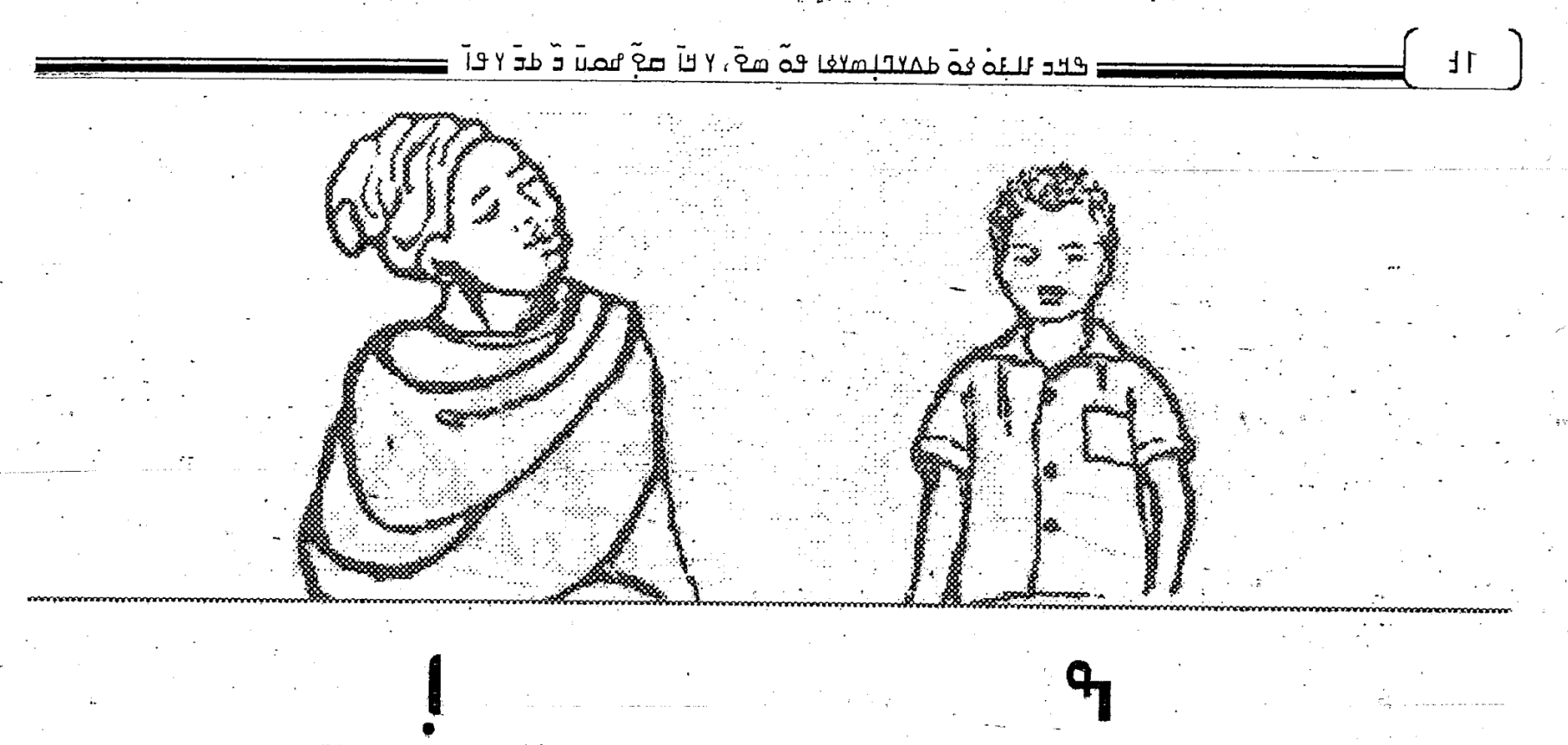
CONTEXT: A boy plays back the recorded testimony of his aunt about a knife that belonged to her.
ߒ ߣߊߘߐ߰ߣߍ߲߬ ߛߙߋ ߟߋ߬ ߸ ߒ ߠߊ߫ ߡߎ߬ߙߎ ߓߘߊ߫ ߕߎߣߎ߲߫ ߸ ߡߙߎ߬ ߕߍ߫ ߒ ߓߟߏ߫ ߡߎ߬ߕߎ߲߬، ߘߏ߫ ߦߋ ߒ ߣߊ ߓߟߏ ߓߏ߲ ߠߊ߫، ߏ߬ ߞߊ߲ ߞߏ߫ ߊ߬ ߕߍߣߵߏ߬ ߘߌ߫ ߟߊ߫ ߒ ߡߊ߬ ߛߊ߫ ߸ ߞߏ߬ߣߌ߲߬ ߞߏ߫ ߊ߬ ߘߌߣߊ߬ ߞߎߘߊ߫ ߛߊ߲߬ ߒ ߧߋ߫ ߸ ߒ߬ߓߊ߬ ߒ ߞߍߕߐ߫ ߒ ߠߊ߫ ߡߙߎ߬ ߞߎߘߊ ߏ ߘߏ߲߰ ߠߊ߫ ߟߋ߬ ߗߙߎ߫ ߛߴߊ߬ ߞߊߣߊ߬ ߕߎߣߎ߲߫
This is my younger aunt's testimony. "My knife has gotten lost. I no longer have a knife. My mom has one in the house. She says that she won't give to me, but she says she'll buy me a new one. So well, I will hide my new knife properly so that it won't get lost.
Vocab
- nádɔ̀ɔnɛn/nádɔ̀ɔnin
- younger aunt; lit. "little mother"
- sére
- here, 'testimony' (more generally, it means 'witness')
- mùru
- knife
- X kán kó...
- X says (lit. "X's voice says...")
- dínà
- rarer predicate marker used for the future
- ǹba
- Alright; "So, well..."
- kɛ́tɔ
- lit. 'doing', but semi-grammaticalized to express the future
- cúru
- completely
Notes
None for now!
Activity
Imagine the interaction when the woman asked her mom for a new knife. How would things go? Would someone get blamed for the trouble? Does it happen all the time? Create the scene!